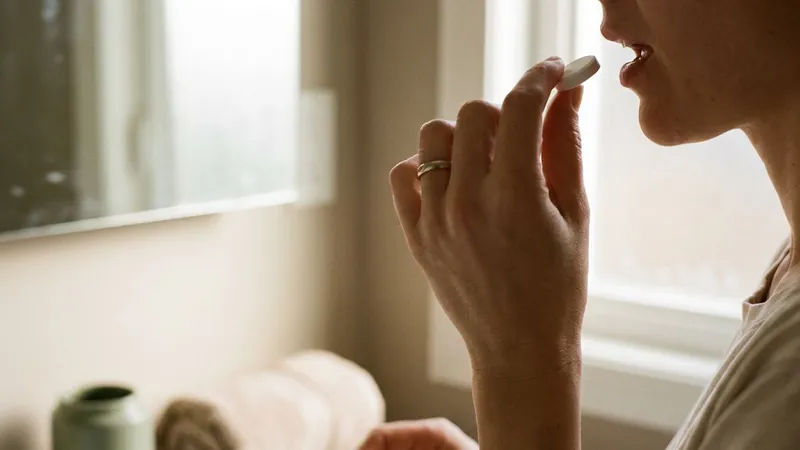
For years, GLP-1 medications for weight loss meant a weekly injection. That is changing. Oral options now exist, and many patients ask whether a pill could replace the pen. The honest answer is that both forms can work well, but they fit different routines, and the details of how each is taken make a real difference.
How weekly injections work
Injectable GLP-1s, including semaglutide (Wegovy, Ozempic) and tirzepatide (Zepbound, Mounjaro), are taken once a week with a small needle under the skin of the belly, thigh or upper arm. The medication is designed to last about a week in the body, so blood levels stay relatively steady between doses.
Most people are surprised by how easy the injection is. Pens use very fine, short needles, and the process takes less than a minute. You pick one day a week, inject, and do not think about it again until the next week.
Strengths of injections
Injections have the largest body of evidence for weight loss. In the STEP 1 trial, semaglutide 2.4 mg weekly produced about 15 percent average weight loss over 68 weeks, and in SURMOUNT-1, tirzepatide produced roughly 15 to 21 percent depending on dose over 72 weeks. Weekly dosing also means fewer chances to forget, and there are no rules about food timing.
How oral GLP-1s work
Oral semaglutide is a daily tablet. It is sold as Rybelsus for type 2 diabetes, and a higher-dose oral semaglutide tablet has been approved by the FDA for chronic weight management under the Wegovy name. Other oral GLP-1 medicines, such as orforglipron, have been studied in large trials, and your provider can tell you what is currently approved and available.
Semaglutide is a peptide, and peptides are normally broken down in the stomach. Oral semaglutide includes an absorption enhancer that helps a small fraction of each dose get through the stomach lining. Because of that, the tablet has strict instructions.
- Take it first thing in the morning on an empty stomach.
- Swallow it with no more than a small sip of plain water.
- Wait at least 30 minutes before eating, drinking anything else or taking other medications.
- Take it every day at about the same time.
Skipping the waiting period or taking it with coffee or breakfast can sharply reduce how much medication is absorbed.
What about dissolving tablets and drops?
Some pharmacies prepare compounded semaglutide or tirzepatide as sublingual tablets that dissolve under the tongue, or as drops. These compounded products are not FDA-approved, and there is limited published evidence on how well the medication is absorbed this way compared with injections. If one is offered, ask your provider what is known about it and how results will be monitored.
Side effects: similar family, different rhythm
Pills and injections share the same type of side effects because they act on the same receptor. Nausea, constipation, diarrhea, reflux and reduced appetite are the most common, especially early and after dose increases. Some people notice that with weekly injections, side effects cluster in the day or two after the shot, while daily pills can produce a steadier, lower level of symptoms.
The same safety considerations apply to both forms. GLP-1 medications are not appropriate for people with a personal or family history of medullary thyroid carcinoma or MEN 2, during pregnancy, or for those with certain past reactions. A history of pancreatitis or gallbladder disease needs careful review.
Choosing the right fit for your routine
Here are a few practical questions a provider will often explore with you:
How do you feel about needles? If needle anxiety is a real barrier, a pill may help you stay consistent. Many needle-averse patients also find the pen far easier than they expected. What do your mornings look like? If you need coffee the moment you wake up or take several morning medications, the 30-minute fasting rule can be hard to follow every single day. Do you travel often? Pills are easy to pack. Pens usually need refrigeration before first use, though many can stay at room temperature for a period. How much weight loss are you aiming for? The injectable medications have the most data at higher levels of weight loss, which may matter for some goals. What does your insurance cover? Coverage differs between products, and your provider can help you navigate options.
Some patients start with one form and switch. Others use an injection to reach a goal and later discuss whether an oral option makes sense for maintenance. There is no single right answer, only the one you can follow consistently and safely.
Talk to a provider
If you are trying to decide between a GLP-1 pill and a weekly injection, Flint Weight Loss can help you think it through. Get started online with a short questionnaire. A licensed provider reviews your health history and routine, recommends options when appropriate, and follows up regularly. If prescribed, your medication ships from a licensed US pharmacy straight to your door.
Medical disclaimer: This article is for general education only and is not a substitute for medical advice from a licensed provider.
Thinking about treatment in Flint, MI?
Flint Weight Loss providers review every case online and ship medication across the Flint area when it is appropriate.